












Articles
Is a WHS Career AI-Proof? Why Safety Is the Smart Career Change of 2026
Is a WHS career AI-proof? No job is — but work health and safety comes close. Under Australian law the duty to keep workers safe rests with people, not software, demand for safety professionals is rising, and the entry point is a single nationally recognised qualification: the BSB41419 Certificate IV in Work Health and Safety,…
Read MoreOrdered Back Into a Gas-Filled Trench: The $545,000 Confined-Space Lesson
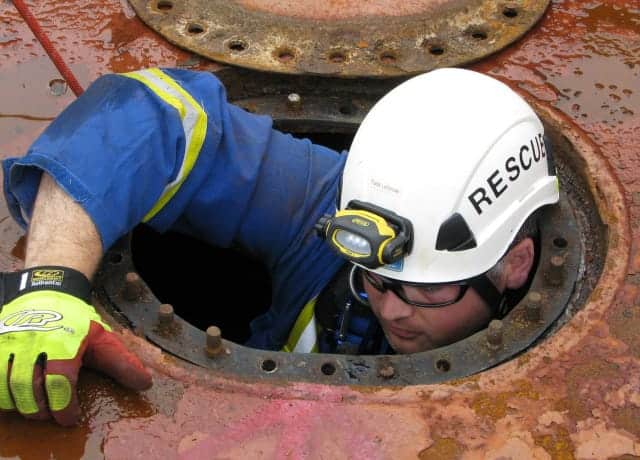
A Victorian telecommunications company and one of its directors were convicted and fined a combined $545,000 after a worker was overcome by gas in an excavation he had been repeatedly ordered to keep digging. The case is a stark reminder that a trench can be a confined space, and that the safest decision is often…
Read MoreThe 2-Metre Rule: What South Australia’s Fall-Height Change Means Across the Country
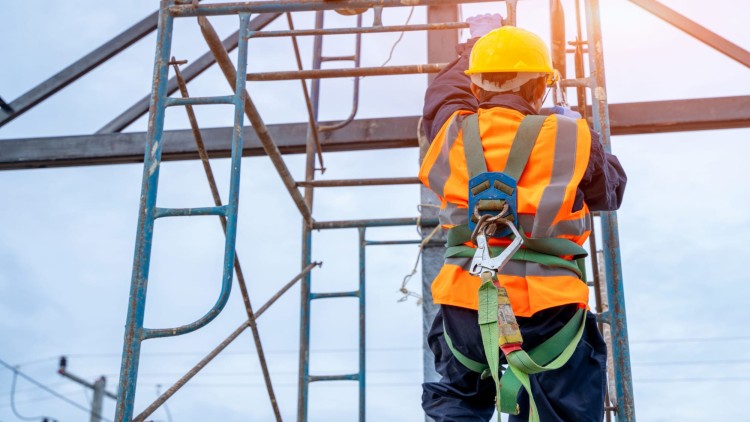
From 1 July 2026, South Australia lowered the height at which construction work becomes “high-risk” from 3 metres to 2 metres — bringing it into line with the national model regulations and states like Queensland, which already use 2 metres. Any construction work with a risk of a fall of more than 2 metres now…
Read MoreThe Positive Duty, Two Years On: What Retail and Hospitality Employers Must Do in 2026

Australia’s positive duty requires every employer to take proactive steps to eliminate workplace sexual harassment and sex discrimination — not simply respond after an incident. Two years into the Australian Human Rights Commission’s enforcement role, the Commission has four active inquiries running and is scrutinising eight major retailers, with the retail and hospitality sectors squarely…
Read MoreSeparating Forklifts and Pedestrians: A 2026 Compliance Priority
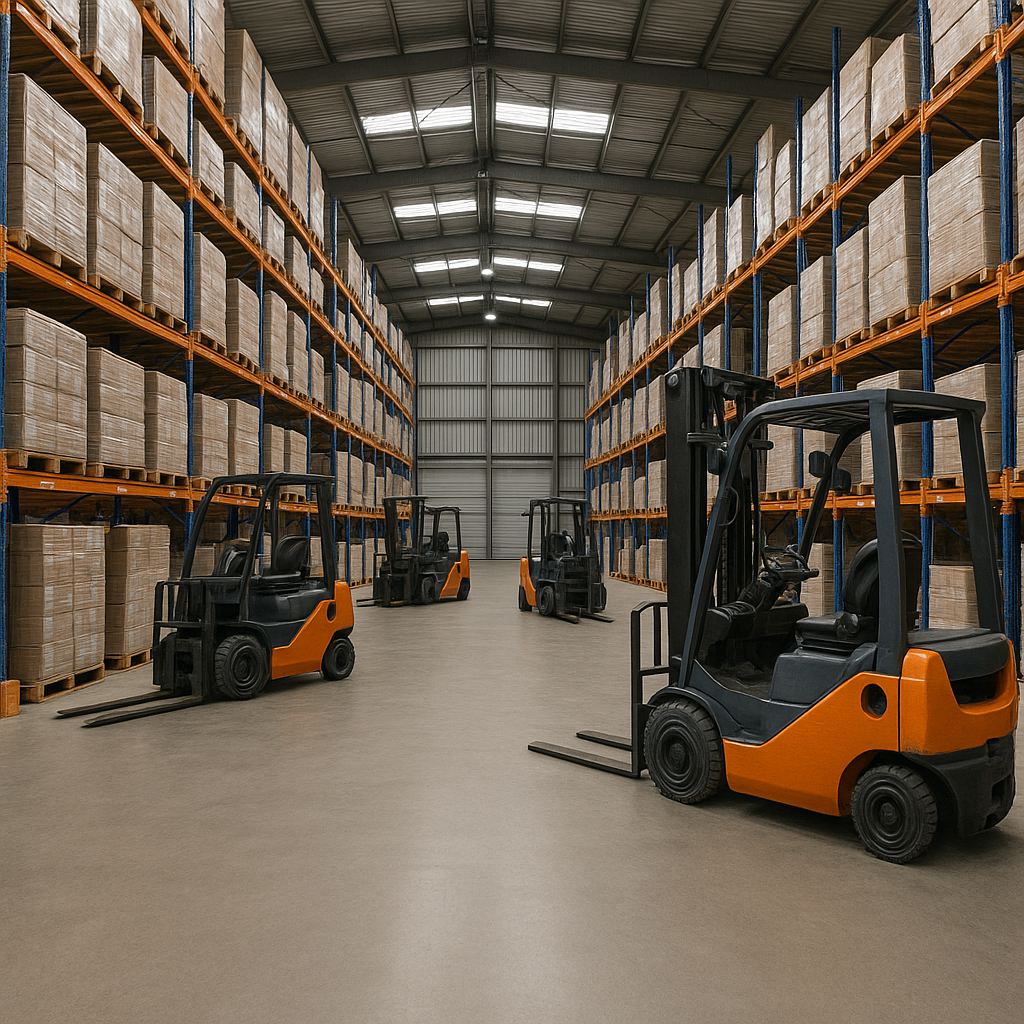
Keep pedestrians safe around forklifts by physically separating people from powered mobile plant — exclusion zones, barriers, one-way traffic flows and safe systems of work — backed by trained, licensed operators. Regulators have now named mobile plant a formal 2026 enforcement priority, making forklift–pedestrian separation a frontline compliance issue for every site. Key facts at…
Read MoreNHVAS Is Being Replaced by the HVA Scheme: What Changes on 1 August 2026
From 1 August 2026, the amended Heavy Vehicle National Law replaces the National Heavy Vehicle Accreditation Scheme (NHVAS) with the new Heavy Vehicle Accreditation (HVA) scheme, built on a documented Safety Management System. NHVAS stops accepting new applicants that day; existing accreditations stay valid, and operators have up to three years to transition to HVA.…
Read MoreDepartment of Defence Convicted Over Psychosocial Risks: A National First
Yes — employers can be prosecuted for failing to manage psychological injury, and now even the Commonwealth has been. In December 2025, the Department of Defence was convicted and fined $188,000 after a Royal Australian Air Force technician died by suicide while on duty — the first Commonwealth psychosocial conviction in Australian history. This article…
Read MoreChain of Responsibility Penalties: Category 1, 2 and 3 Explained (2026)
Chain of Responsibility (CoR) breaches under the Heavy Vehicle National Law (HVNL) carry some of the toughest penalties in Australian regulatory law — and the amounts are far higher than most people expect. Below are the current maximum penalties for Category 1, 2 and 3 offences, verified directly against the National Heavy Vehicle Regulator’s (NHVR)…
Read MoreUnrealistic Delivery Schedules Are About to Cost Twice as Much: CoR Speed and Scheduling Duties Explained
Under the Heavy Vehicle National Law, every party in the chain of responsibility must ensure schedules, requests and contracts don’t cause or encourage a driver to speed or drive fatigued. Breaching the “prohibited requests and contracts” provisions currently attracts a maximum fine of about $13,310 — and from 1 August 2026, that roughly doubles to…
Read MoreCompany and Director Fined a Combined $249,600 After a Reversing Forklift Struck a Worker

The Industrial Court of NSW has fined Real Juice Company Pty Ltd $240,000 — and its sole director $9,600 personally — after a reversing forklift struck a worker at the company’s Griffith bottling plant, causing injuries that led to the amputation of all five toes on her left foot. The court also ordered the company…
Read More