














Articles
Chain of Responsibility & Fatigue Management: Who’s Liable Under the HVNL? (2026)
Under Chain of Responsibility (CoR), fatigue is everyone’s duty — not just the driver’s. The Heavy Vehicle National Law (HVNL) makes each party in the supply chain, from schedulers and operators to consignors and consignees, legally responsible for ensuring transport activities don’t cause, encourage or require a driver to exceed work-and-rest limits or drive while…
Read MoreThe Parties in the Chain of Responsibility: Who Has CoR Duties?
Under the Heavy Vehicle National Law (HVNL), the Chain of Responsibility (CoR) names 10 party functions — consignor, consignee, packer, loader, unloader, loading manager, operator, prime contractor, scheduler and employer. If your business performs any of these functions for a heavy vehicle, you are a CoR party and you owe a safety duty — regardless…
Read MorePsychological First Aid for Managers & Supervisors (2026 Guide)
Psychological first aid for managers is the practical skill of noticing when a team member is in distress, responding with structured support, and connecting them to help — without stepping into counselling. Since psychosocial risk became an enforceable workplace duty, training people-leaders in accredited psychological first aid (PUARCV001) is one of the clearest, most defensible…
Read MoreWorking at Heights Refresher: How Often Should You Retrain? (2026)
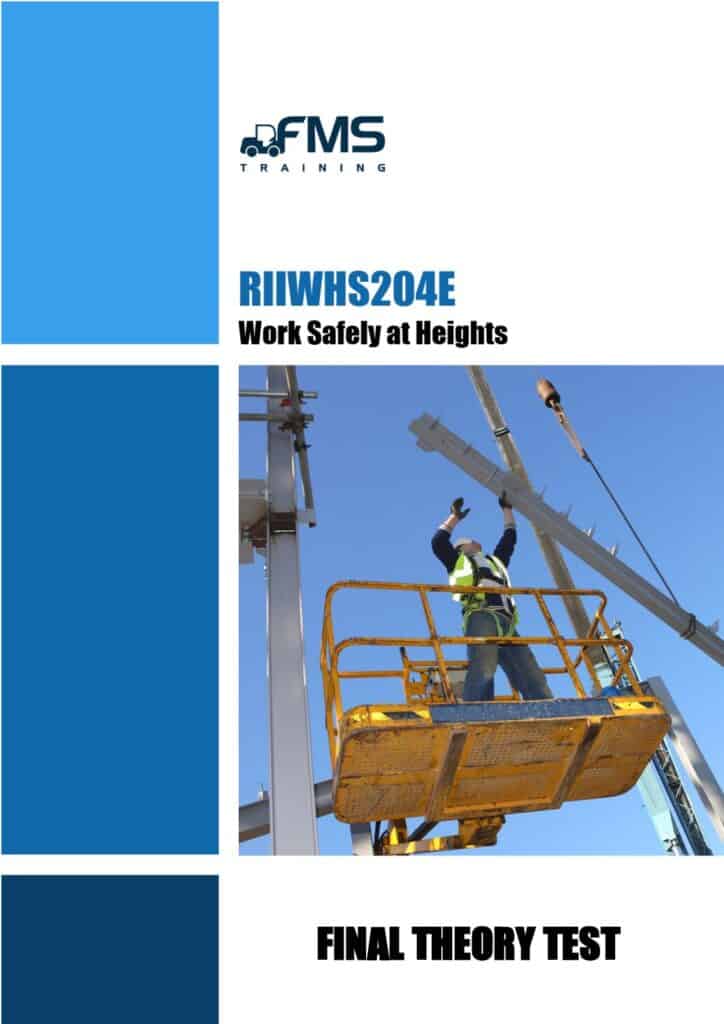
There’s no law that makes a working at heights qualification “expire”, but in practice most workers should refresh every two years. The nationally recognised unit RIIWHS204E (Work safely at heights) has no legislated expiry date, yet industry best practice and the Working at Heights Association recommend updating every two years — and most construction, mining…
Read MorePsychosocial Hazards Training: Who Needs It and What It Covers (2026)

Psychosocial hazards training equips workers and leaders to identify and manage workplace factors that can harm mental health — such as high job demands, bullying, low support and exposure to trauma. In Australia it underpins a legal duty: every employer must manage psychosocial risk the same way they manage physical risk. The right training turns…
Read MoreForklift Licence Eligibility & What to Bring (Brisbane, 2026)
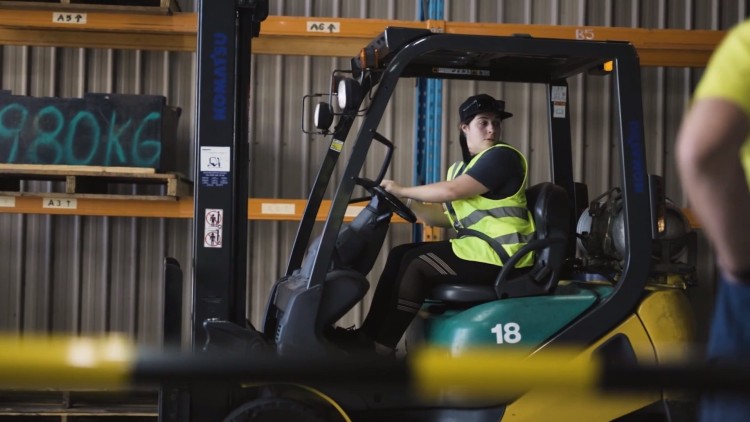
To get a forklift licence in Brisbane you must be old enough to hold photo identification, provide a Unique Student Identifier (USI) and 100 points of ID, have enough English language, literacy and numeracy to train and be assessed safely, and be physically able to operate a forklift. You then complete the nationally recognised unit…
Read MoreMental Health First Aid Course Australia (2026): Formats, Cost & the Accredited Alternative
A mental health first aid course teaches you to recognise, support and respond to someone developing a mental health problem or in a crisis. In Australia you have two broad options: a Mental Health First Aid Australia (MHFA) course — typically 12 hours, certificate valid 3 years — or the nationally recognised unit PUARCV001 Provide…
Read More$450,000 Forklift Fine: The Pedestrian-Safety Lesson Behind a 2026 Prosecution
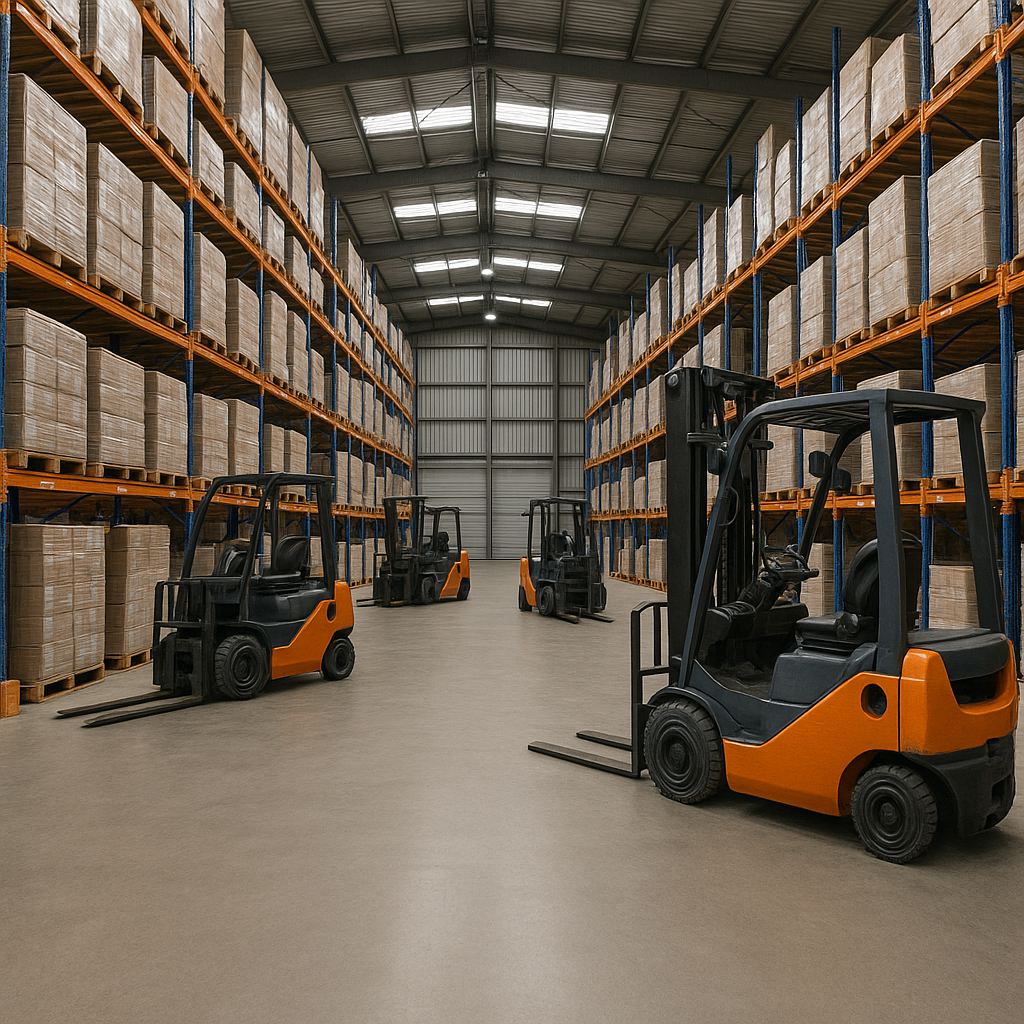
The short answer: In 2026 the Industrial Court of NSW fined a manufacturer $450,000 after a worker was struck and run over by a forklift while helping to load a truck. The forklift was carrying a load slung from its tines, the worker was on foot in the same zone, and the two met. The…
Read MorePsychosocial Enforcement in 2026: Inspectors, Fines and What It Means for Employers

The short answer: Managing psychosocial hazards is no longer just good practice — it’s an enforced legal duty across every Australian jurisdiction. In 2026 regulators moved from education to enforcement: SafeWork NSW added 20 dedicated psychosocial inspectors who conduct unannounced visits and issue on-the-spot fines, codes of practice become legally enforceable in NSW from 1…
Read MoreConfined Space Entry Training Brisbane (RIIWHS202E): Course & Requirements 2026
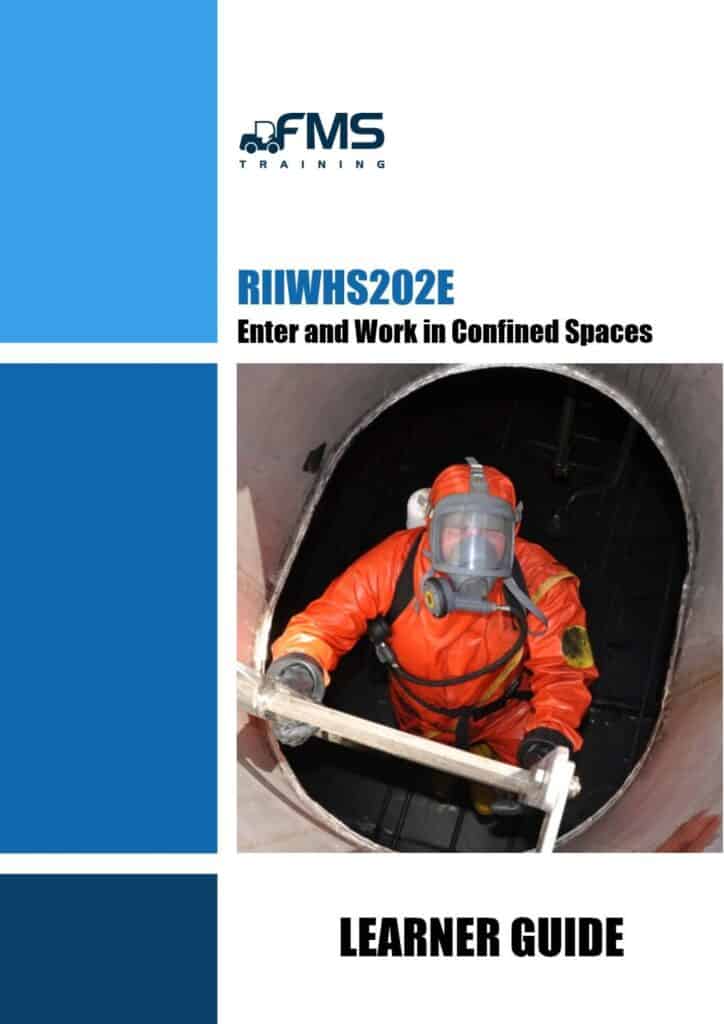
Confined space entry training in Brisbane is delivered under the nationally recognised unit RIIWHS202E Enter and work in confined spaces. It gives you the skills to identify confined-space hazards, test the atmosphere, work to an entry permit, use the right protective and breathing equipment, and exit safely. Most people complete an online theory component plus…
Read More