













Articles
Confined Space WHS Penalties Are Climbing in Australia — What a $400,000 Queensland Fine Signals for 2026
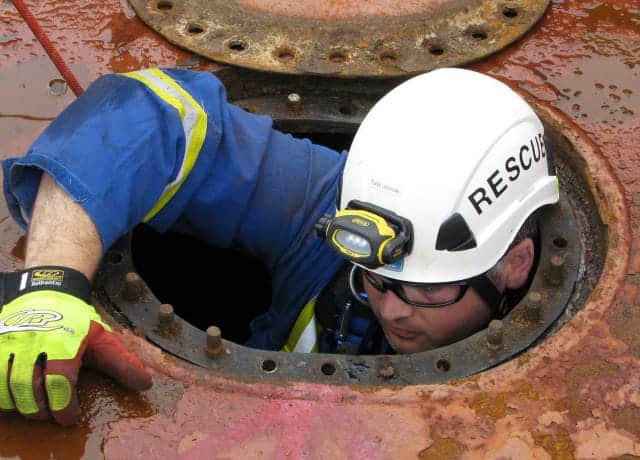
A Gold Coast car dealership was fined $400,000 in May 2025 after an apprentice mechanic died in an explosion inside a poorly ventilated workshop bin room — one data point in a 2025 trend of record WHS penalties, with confined spaces still firmly in regulators’ sights. Gold Coast Isuzu (James Frizelle’s Automotive Group Pty Ltd)…
Read MoreSafeWork NSW’s MAFS Notices: What They Mean For Every Australian Employer’s Psychosocial Duties

In May 2026, SafeWork NSW confirmed it had issued Married At First Sight producer Endemol Shine Australia three improvement notices over psychosocial hazards on set, following five Requests for Service since 2025. The lesson: reality TV contestants are legally “workers,” and no business — however high-profile — is exempt from psychosocial hazard duties. Key facts…
Read MoreSix-Figure Forklift Fines Keep Coming: Three Prosecutions Every Warehouse Operator Should Know About
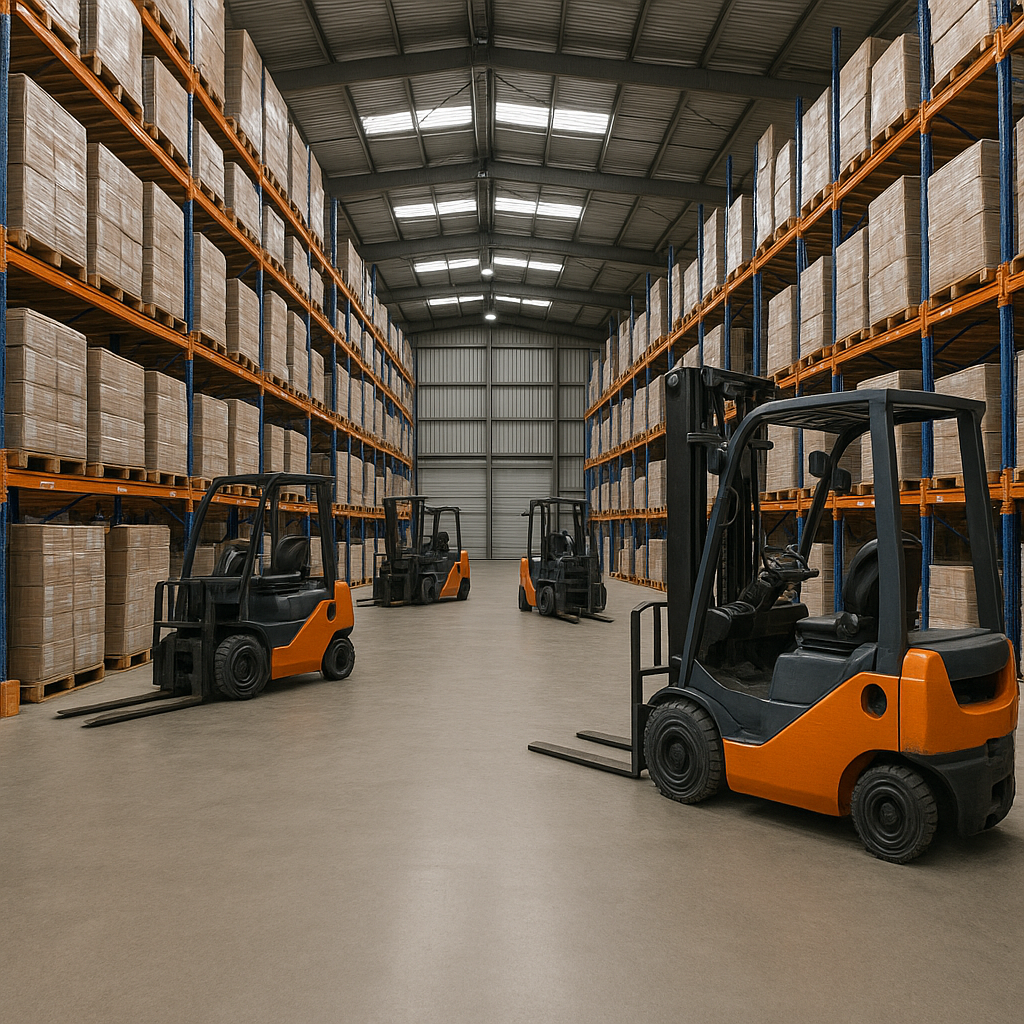
Australian courts have now handed down at least four major forklift-pedestrian penalties in under a year — $330,000 against JBS Australia in NSW, $200,000 against D’Orsogna in Victoria, a second conviction for Queensland’s Drake Trailers, and a $450,000 fine against Steel-Line in March 2026. The common thread in every case: pedestrians and forklifts sharing the…
Read MoreWorkplace Investigations Are a Psychosocial Hazard: What a Landmark 2026 Ruling Means for Every Employer

A misconduct investigation is itself a psychosocial hazard — even when the worker is innocent. That is the effect of a landmark NSW Industrial Relations Commission ruling handed down on 2 March 2026, which upheld improvement notices against an employer whose 10-month investigation left a long-serving worker in crisis. Every Australian employer that investigates staff…
Read MoreFalls From Height Are Costing Employers Hundreds of Thousands: The 2026 Prosecutions Every Site Manager Should Know
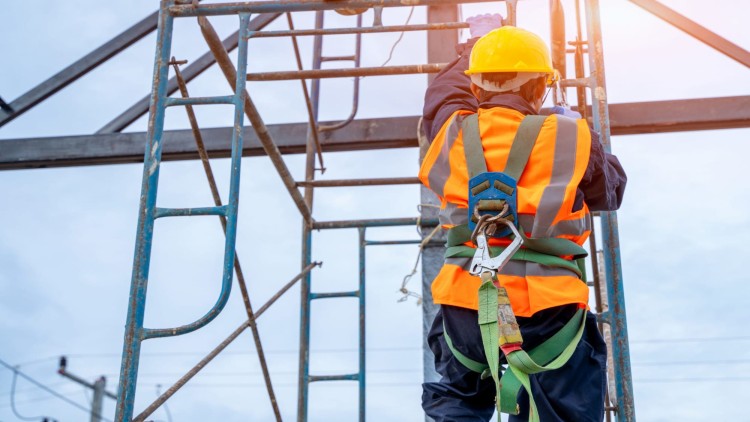
Falls from height triggered a run of heavy penalties across Australia in 2026 — from a $700,000 fine against a repeat-offending roofing company to a record $3.4 million manslaughter penalty after a worker fell to his death. Falls remain the number one cause of death and serious injury in construction, and in case after case…
Read MoreUnions Can Now Prosecute Employers Over Psychosocial Hazards: What Changed in 2026

From 1 March 2026, unions and other registered organisations in New South Wales can prosecute employers for work health and safety breaches — including psychological harm — when the regulator declines to act, and courts can direct part of the fine to the organisation that ran the case. Paired with enforceable psychosocial codes from 1…
Read MoreWorking at Heights vs EWP Ticket: Which Do You Need?
Working at Heights training and an EWP ticket are not the same thing, and most people who need one need the other too. Working at Heights is the nationally recognised unit RIIWHS204E Work safely at heights — fall-protection training for anyone working where there’s a risk of falling, including from an elevating work platform (EWP)…
Read MoreWorking at Heights Regulations in Queensland: The 2026 Legal Requirements

In Queensland there is no separate “working at heights licence”, but there is a clear legal duty: a business must manage the risk of a fall that could cause injury — at any height — so far as is reasonably practicable. This duty sits in the Work Health and Safety Regulation’s falls provisions and the…
Read MoreExecutive Due Diligence Under CoR: The Personal Duty Directors Can’t Delegate — and the 1 August Deadline
If you are a director, partner or senior manager of any business in the heavy vehicle Chain of Responsibility, you carry a personal due diligence duty under the Heavy Vehicle National Law — and you can be prosecuted even if your company never is. With the reformed HVNL commencing on 1 August 2026, executive accountability…
Read MoreForklift VOC: When Do You Need a Verification of Competency? (2026)
A forklift VOC (Verification of Competency) is an assessment that confirms a current LF licence holder can still operate safely. Employers commonly require one for new hires, site inductions, returns from extended leave, or after an incident. It is not a licence, and it does not renew or reinstate one — it verifies competency for…
Read More