


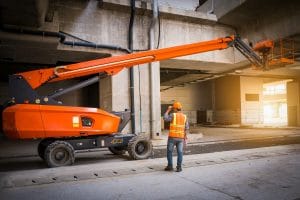












There’s no law that makes a working at heights qualification “expire”, but in practice most workers should refresh every two years. The nationally recognised unit RIIWHS204E (Work safely at heights) has no legislated expiry date, yet industry best practice and the Working at Heights Association recommend updating every two years — and most construction, mining and infrastructure sites won’t let you work at height without current evidence of competence.
Key facts at a glance
- No legal expiry, but a clear expectation: RIIWHS204E doesn’t carry a legislated end date, but the Working at Heights Association of Australia advises refreshing every 2 years to maintain currency.
- Sites set the rule: most principal contractors and PCBUs require a current (often within 2 years) Statement of Attainment before you can work at height on their site.
- Refresher eligibility varies: providers typically accept a prior RIIWHS204E Statement of Attainment issued within the last 2 to 8 years; beyond that, you usually need the full course again.
- Why it matters: falls remain one of the leading causes of workplace death and serious injury in Australia — currency keeps skills and equipment knowledge sharp.
- FMS delivers it in person at Lawnton, Brisbane — practical, hands-on assessment, nationally recognised on completion.
Does a working at heights ticket expire?
Technically, no. A Statement of Attainment for a nationally recognised unit like RIIWHS204E does not have a legislated expiry date — once you’re deemed competent, that record stands. But “doesn’t expire” is not the same as “valid forever on site”. Under WHS law, a PCBU must ensure workers are competent for the task they’re doing now, not just at some point in the past. That’s why employers and principal contractors impose their own currency rule — most commonly a refresher every two years.
Bottom line: treat “two years” as the working figure. Even though nothing legally forces it, if your evidence of competence is older than the site’s policy allows, you won’t be permitted to work at height — so the practical expiry is whatever your workplace or head contractor sets.
How often should you do a refresher?
The widely accepted cadence is every two years, but the right answer depends on three things: industry expectation, site rules, and how recently you’ve actually worked at height.
| Situation | Recommended action |
|---|---|
| You hold a current RIIWHS204E (under ~2 years old) | A refresher keeps you current and meets most site rules |
| Your Statement of Attainment is 2–8 years old | A refresher is usually accepted — confirm eligibility with the provider |
| Your qualification is older than the provider accepts (often 5–8 years) | Complete the full Work safely at heights course again |
| You’ve changed industries, equipment or roles | Refresh sooner — new gear and site systems mean new competencies |
| You haven’t worked at height for a long period | Refresh before returning to height work, regardless of the date |
What’s the difference between a refresher and the full course?
A refresher revisits and re-assesses the core competencies of working safely at heights for someone who has already held the qualification — fall-protection systems, hazard identification, equipment inspection, anchor points, and safe work practices — without repeating the full first-time training. The full course is the complete unit for people who have never been trained, or whose previous qualification is too old to refresh. The deciding factor is whether you can produce evidence of prior RIIWHS204E competence within the provider’s accepted window.
Why refresher training is worth doing on time
Falls from height are consistently among the most common causes of workplace fatalities and serious injuries in Australia. Skills and habits drift; equipment standards and site systems change; and a worker who learned on one type of harness or anchor system may be using completely different gear two years later. A refresher resets all of that — and it gives your employer current documentation that you’re competent, which is exactly what a regulator or principal contractor will ask to see.
What to bring to a refresher
To keep your refresher smooth, bring evidence of your prior RIIWHS204E qualification (your Statement of Attainment or USI record), photo ID, your Unique Student Identifier (USI), and appropriate clothing and enclosed footwear for practical, hands-on assessment. Because heights training at FMS is delivered in person at Lawnton, you’ll complete the practical components on site — so dress for active work.
Where does FMS deliver working at heights training?
FMS Training delivers Work Safely at Heights (RIIWHS204E) in person at our Lawnton training facility in Brisbane’s north. Training is hands-on and practical, with nationally recognised assessment, so you leave with current, site-ready evidence of competence. If you’re booking for a team, in-house and group sessions can be arranged.
Frequently asked questions
How often do I need a working at heights refresher?
Industry best practice and the Working at Heights Association recommend refreshing every two years. There’s no legislated expiry, but most sites require current evidence of competence, usually within two years.
Does RIIWHS204E expire?
The unit itself has no legislated expiry date. However, employers and principal contractors set their own currency requirements — commonly a refresher every two years — so in practice it does need renewing.
Can I do a refresher or do I need the full course?
If you hold a prior RIIWHS204E Statement of Attainment within the provider’s accepted window (often 2 to 8 years), you can usually do a refresher. If it’s older than that, you’ll generally need to complete the full course again.
How long does a working at heights refresher take?
A refresher is shorter than the full course because it revisits and re-assesses existing competencies rather than teaching them from scratch. Confirm the exact duration when you book, as it depends on group size and practical assessment.
Is the qualification nationally recognised?
Yes. RIIWHS204E Work safely at heights is a nationally recognised unit of competency. On successful completion you receive a Statement of Attainment.
What do I need to bring to a refresher?
Bring evidence of your prior RIIWHS204E qualification, photo ID, your USI, and suitable clothing and enclosed footwear for hands-on practical assessment.
Why do sites require currency if there’s no legal expiry?
Under WHS law, a business must ensure workers are competent for the task they’re performing now. Requiring recent training is how employers and principal contractors demonstrate they’ve met that duty.
Where does FMS deliver working at heights training?
In person at our Lawnton facility in Brisbane’s north, with practical hands-on assessment and nationally recognised certification on completion.
Related reading: Working at Heights Ticket Brisbane: Course, Cost & Requirements (2026) · Numerous Incidents Highlight the Ongoing Risks of Working at Heights
Sources: training.gov.au — RIIWHS204E Work safely at heights; Working at Heights Association of Australia (WAHA) currency guidance; Safe Work Australia fall-from-height data.
FMS Training is a Registered Training Organisation (RTO 45189) with 4.9★ from 1,388 reviews, delivering nationally recognised training across Australia.